Image Credit: Unsplash
Strength training is a powerful way to build a stronger, more resilient body. When you do it right, it doesn’t just build muscle and bone density; it also plays a big part in preventing sports injuries. But if you jump into a routine without knowing the basics, you could get hurt. The goal isn’t just to lift heavy things, it’s to lift them smartly. By making safety your priority, you ensure your time in the gym helps your long-term health and fitness, keeping you on track without frustrating setbacks.
Mastering Proper Form Techniques
The most important thing for safe strength training is using proper form. If your technique is off, the exercise won’t be as effective, and you’ll put stress on joints, tendons, and ligaments that aren’t meant to handle it. This is a quick way to get injured. Before you even think about adding more weight, you need to master the movement itself.
Start with light weights or even just your body weight. For exercises like squats and overhead presses, the small details really matter. Watch videos from certified trainers, and try recording yourself to see how your form compares to the examples. Are your knees caving in when you squat? Is your back rounding during a deadlift? These are common mistakes that need fixing. If you’re not sure, a few sessions with a personal trainer can give you personalized feedback that will benefit your fitness for years. Learning how to prevent injuries at the gym means committing to excellent form on every single repetition.
Supportive Gear for Injury Prevention
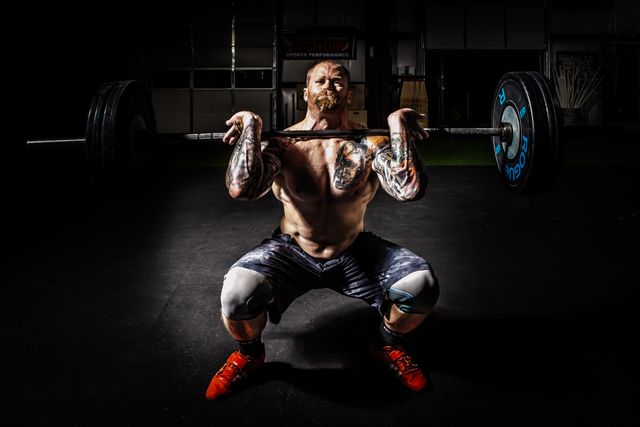
Good form is crucial, but the right gear can also help prevent injuries, especially as you start lifting heavier. You don’t need to buy every accessory out there, but a few key items can make a big difference. A good weightlifting belt can help you brace your core during heavy compound movements like squats and deadlifts, giving your lower back stability. Wrist wraps can offer similar support for your wrists during pressing exercises.
Shoulders are another area that often gets stressed, especially with exercises like the bench press and overhead press. If you’ve had shoulder issues before or feel joint instability, using a compression shoulder brace can provide the support and feedback you need to lift with more confidence. The compression can help keep the joint warm and stable, reminding you to maintain proper positioning and control throughout the movement. Supportive gear isn’t a replacement for good form or for building strength, but it’s a smart tool to include in your overall injury-prevention plan.
Image Credit: pexels
The Importance of Progressive Overload
Once your form is solid, the way to get stronger is through something called progressive overload. Basically, this means gradually making your workouts more challenging for your muscles and bones. If you lift the same weight for the same number of reps every week, your body will get used to it and won’t have a reason to get stronger. You need to keep giving it new challenges. A great explanation of progressive overload shows how it is the main way to build muscle and strength.
You can apply progressive overload in a few ways:
- Increase Weight: This is the most common method. Add a small amount of weight to the bar or grab heavier dumbbells.
- Increase Reps: If you can’t increase the weight, try to do more repetitions with the same weight.
- Increase Volume: Add another set to your exercise.
- Decrease Rest Time: Taking shorter breaks between sets makes the workout harder.
It’s important to do this gradually. Trying to add 20 pounds to your bench press overnight is asking for trouble. Small, consistent increases over time are what lead to lasting progress. Following some basic progressive overload tips can help you plan your workouts for long-term success without getting hurt.
Warm-Up and Cool-Down Drills
Walking into the gym and immediately trying your heaviest lift is like starting a car in freezing weather and flooring the gas pedal. You need to get your body ready for the work it’s about to do. A good warm-up gets blood flowing to your muscles, lubricates your joints, and activates your nervous system.
Your warm-up should include 5-10 minutes of light cardio, like jogging or cycling, followed by dynamic stretches. Dynamic stretches are active movements that take your body through its full range of motion. Think arm circles, leg swings, torso twists, and bodyweight squats. These movements mimic the exercises you’re about to do and help prepare the specific muscles you’ll use.
After your workout, cooling down is just as important. It helps your body slowly return to its normal state. Spend 5-10 minutes doing static stretches, where you hold a stretch for 20-30 seconds. Focus on the muscles you just worked. This can help improve flexibility and might reduce how sore you feel later.
Recognizing Your Body’s Limits
One of the most important skills you can learn on your fitness journey is how to listen to your body. There’s a big difference between the discomfort of a tough workout and the sharp, sudden pain of an injury. Pushing through muscle fatigue helps you get stronger; pushing through joint pain is how you get hurt.
Pay attention to what your body tells you. If you feel a sharp, stabbing, or radiating pain, stop the exercise right away. Don’t try to “power through it.” Also, understand the importance of rest. Your muscles don’t grow while you’re in the gym; they grow during recovery. Make sure you’re getting enough sleep and scheduling rest days into your week. If you constantly feel run down, tired, or unmotivated, you might be overtraining. A planned “deload” week, where you reduce your training intensity and volume, can be incredibly helpful for long-term progress and preventing injuries.
Embracing strength training is a fantastic step for your health. By focusing on good form, using smart support, progressing gradually, and listening to your body, you can enjoy all the benefits while staying safe and strong for years to come.