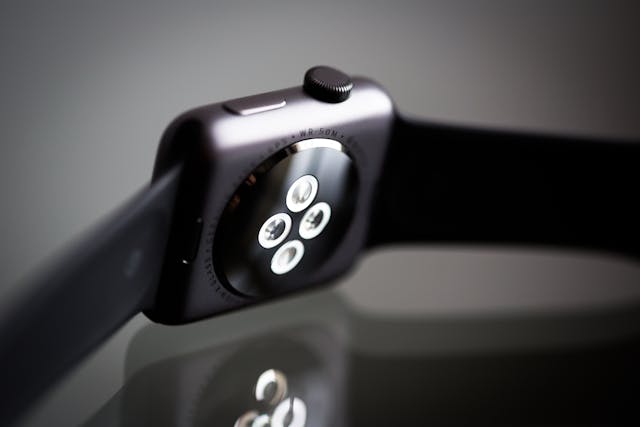
Fitness trackers are now part of daily life. They count steps, track sleep, estimate calorie burn, and give quick signals about recovery. That information can be useful. It can help people notice habits, stay consistent, and feel more connected to their routines. Still, wearable data has limits. A device on your wrist cannot tell the full story of your health, especially when it comes to abdominal fat, which is closely linked with long-term metabolic risk. That distinction matters much more than we like to admit.
Photo by Torsten Dettlaff:
Why Users Have Faith in Wearable Devices
Users place their faith in wearable devices because wearables convert health data into measurable data. Measurable data appear clear and it appears to be objective. A wearer sees an increase in their step count, an improvement in their resting heart rate, and believes they have made progress toward better health. More often than not, they have made reasonable progress. However, problems occur when the signals that indicate good daily metrics are all the user sees. While daily good metrics will sometimes accompany a risk that is not being measured directly by the device, progress and risk can exist simultaneously.
The Blind Spot Around Belly Fat
Abdominal fat is distinct from overall body weight. There are two individuals who have comparable body weights but very different levels of health risk based on how they store fat. For example, deep abdominal fat can impact blood sugar regulation, inflammatory processes, and cardiovascular function. Many wearable devices cannot measure this type of fat. Therefore, they provide rewards based on physical activity and report caloric intake confidently, without revealing a significant indicator of potential health risk. This distinction is important, as users can demonstrate activity while still possessing a level of central fat that correlates with increased risk of future disease.
What Steps and HRV Miss
While steps taken per day are beneficial for physical activity, they do not indicate body composition. Heart rate variability (HRV) reflects stress and recovery states; however, HRV changes for numerous reasons and therefore does not correlate clearly with central fat. Additionally, calorie-burning estimates from wearable devices are even less accurate. Estimated calorie burn rates are influenced by algorithms, assumptions, and missing information. Furthermore, none of the above measures displays how much fat exists on the body. Therefore, reliance solely on these measures creates an illusion of safety.
A Better Way to Add Context
A smarter approach is to combine wearable data with a measure of body shape and waist-related risk. That is where an ABSI calculator can add value. It gives context that step totals and recovery scores cannot provide on their own. This does not make your tracker useless. It makes your health view more complete. You still use the watch to track behavior patterns, but you also check whether your waist profile suggests a deeper issue that warrants addressing now.
What to Do With This Information
Use your tracker as a guide, not a verdict. Keep the habits that help you move more and sleep better. Then go one step further and assess the risks your device cannot see. Measure your waist correctly. Review changes over time. Pair digital feedback with simple, grounded health checks. The best health decisions usually come from layered information, not one glowing screen. Smart fitness trackers are useful. They are just not the final word on your health.