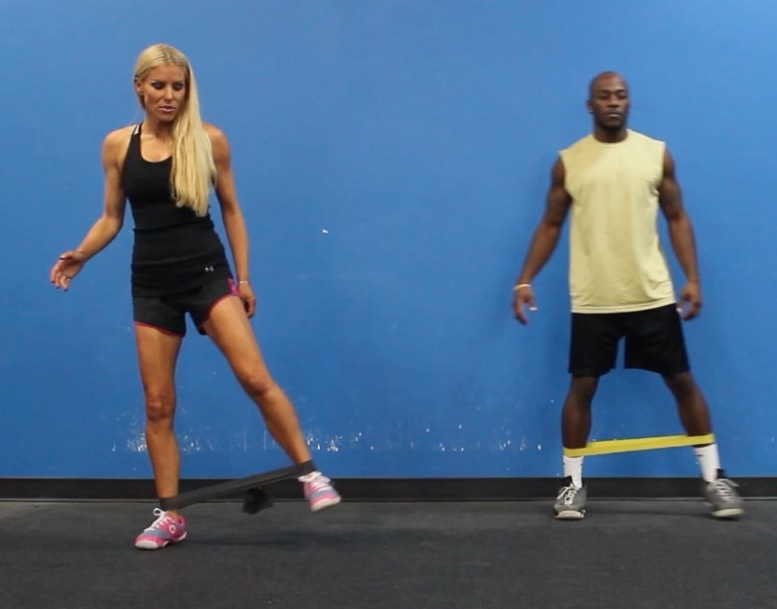
You’ve probably come across it on TikTok. A girl in a hoodie performing side leg lifts… from her bed. In another clip: soothing lo-fi beats, an iced matcha in her hand, followed by the message: “This is your cue to romanticize your 8-minute lazy girl Pilates.”
Welcome to the lazy girl workout phenomenon, where embracing softness is not only accepted but celebrated. In a society that once praised a relentless “no days off” gym mentality, this trend feels like an act of defiance. But is it genuinely beneficial, or is it merely a rebranding of minimal effort? Let’s delve into why this moment holds such cultural significance, and what it reveals about our current approach to movement.
What is a “Lazy Girl” Workout?
Short, low-intensity exercise regimens that put comfort, ease, and emotional softness ahead of perspiration and soreness are known as “lazy girl workouts.”
Consider:
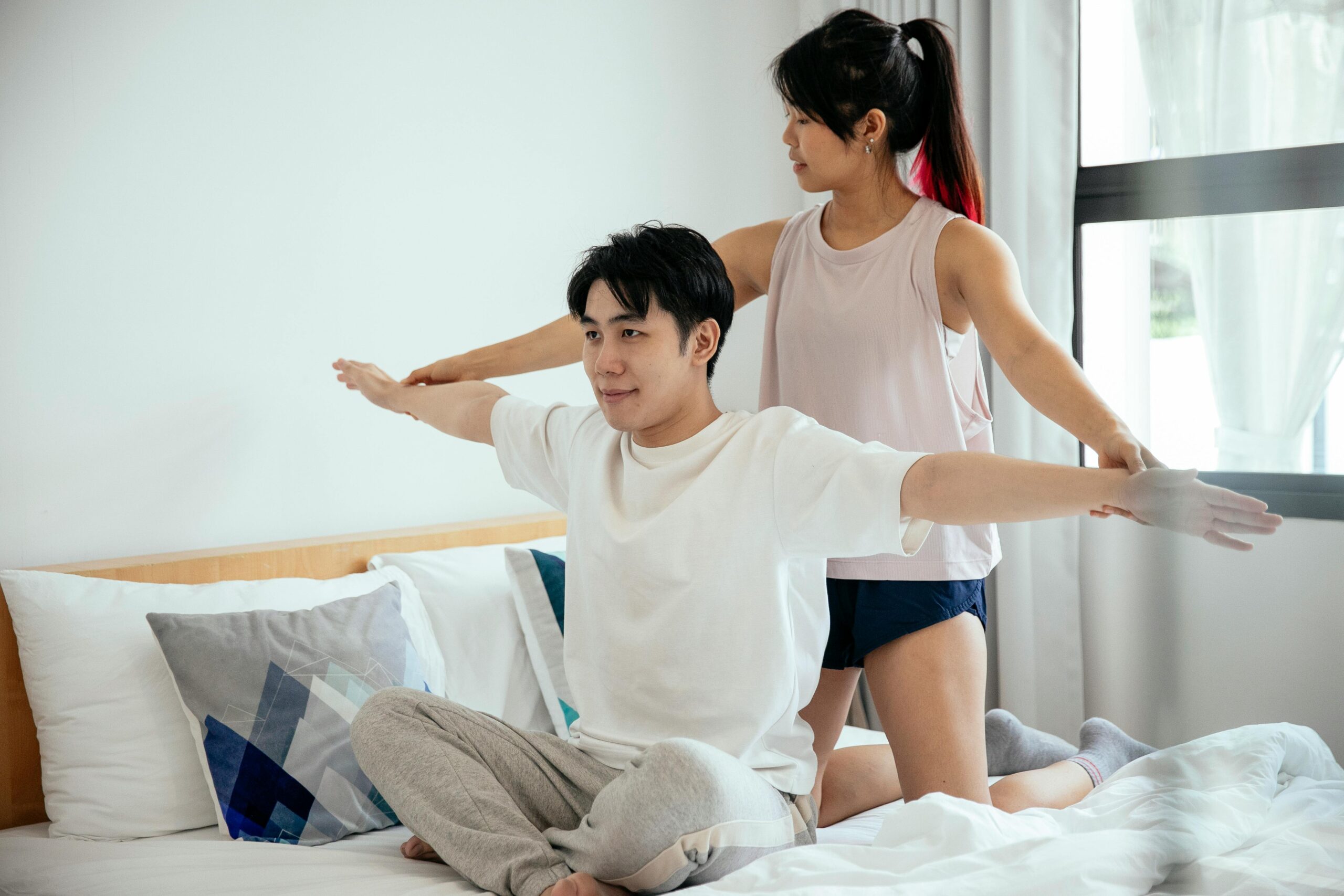
- Stretches in bed and “Pillow Pilates”
- Mild mobility exercises performed in pajamas
- With an oat milk latte and a podcast, a gorgeous girl strolls.
- You can perform standing ab exercises in a little flat.
- Mini-routines for anxious mornings or days when menstruation is difficult.
These exercises often last less than fifteen minutes and need no preparation, no weights, no gym, and no pressure. The objective? Feel good. Take it slow. Don’t exert too much effort.
The Reasons Behind Gen Z’s “No Thanks” to Hustle Fitness
The pendulum is swinging sharply in the opposite way after years of #grind culture, and with good reason.
This is what’s causing the change:
- There is burnout everywhere. Gen Z is worn out from COVID, remote learning, and constant screen time.
- The toxic culture of the gym is being called out. Dry-scooping before a workout and yelling “beast mode” are things of the past.
- Mental wellness is important. These exercises frequently serve to regulate the nervous system.
- Body neutrality > body transformation. Gen Z has stopped exercising “just to look good.” Their goal is to feel better.
The Positive Aspects of the “Lazy Girl” Workout Movement
This trend is not about being lazy, despite its name. Fundamentally, it’s about rejecting the all-or-nothing mentality and rethinking what “counts” as exercise.
What it’s doing well is as follows:
- Gives movement a friendly vibe
- Reduces exercise guilt
- Promotes self-compassion
- Provides mild entry points for those with chronic pain, anxiety, ADHD, or depression
- Avoid days when you don’t have much energy, especially if you’re tired or menstruating.
Let’s be honest, which is healthier if you have to choose between 45 minutes of doom scrolling and a 7-minute mat stretch?
A Well-Rounded Strategy: When and How to Employ Lazy Workouts
Workouts for lazy people don’t have to be a way of life; they can be a tool.
Make use of them:
- On days of recuperation, active rest.
- If you’re beginning from scratch, to develop movement consistency.
- When you have a nervous system overload to maintain a pressure-free connection with your body.
Tip: When your energy permits, combine them with dance classes, strength training, outdoor walks, or any other happy movement. “Lazy girl workouts” can be the first step toward something more profound because movement is a spectrum.
The Softness Revolution Has Arrived
The goal of the lazy female workout movement is to recapture fitness rather than give it up. This pattern suggests that less might still be sufficient in a society that is always demanding more.
Therefore, it matters if you’re stretching in bed, dancing in your kitchen, or idly strolling while listening to your favorite playlist. You continue to move. You continue to turn up.
Perhaps, just possibly, a little softer is just what the fitness industry needs at this moment.