Real Bodies vs. Social Media
In today’s fitness world, there is a “Fake Natty” pandemic. A “fake natty” is someone who used performance-enhancing drugs (PEDs) but claims that they are “natural.” On social media, these lies are becoming a problem for the younger audience.
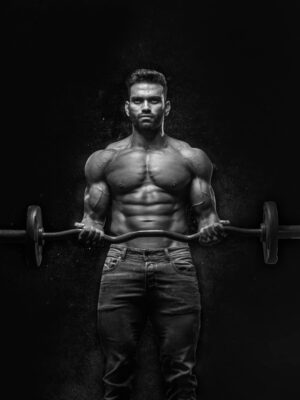
Picture From Pexels
Why The Lie Is Dangerous
The biggest issue with these influencers promoting their “fake” bodies is that they are selling products. For example, they could be promoting a protein powder to look like them.
If a beginner sees an influencer with a superhuman body, they may want to achieve that because they think it is normal. After they work hard for a year and don’t look anywhere close to a superhero, they feel like a failure. This can lead to body dysmorphia. This is when people think that their body isn’t living up to its standards, even if they are healthy.
How To Spot the Signs
There are a few red flags to look out for in order to determine if an influencer is natural:
- 3D Muscles: Steroids tend to make shoulders and upper back muscles grow more than they would naturally.
- Huge and Super Lean: It is difficult for a natural athlete to develop large muscles while maintaining a low body fat percentage.
- Fast Progress: Natural muscle growth takes a long time. If someone randomly gains 30 pounds of muscle in a few months, it is a sign of not just hard work and diet.
Reality
Social media is a platform where people post highlights of their lives. Bodies you see online are often captured with optimal lighting, professional cameras, drugs, and angles. Real fitness is about bettering yourself and not comparing yourself to others. This is especially true when the goal of naturally attaining a superhero build isn’t realistic. Focus on improving yourself, and don’t let a “fake natty” determine how you work out.