Flexing Influence
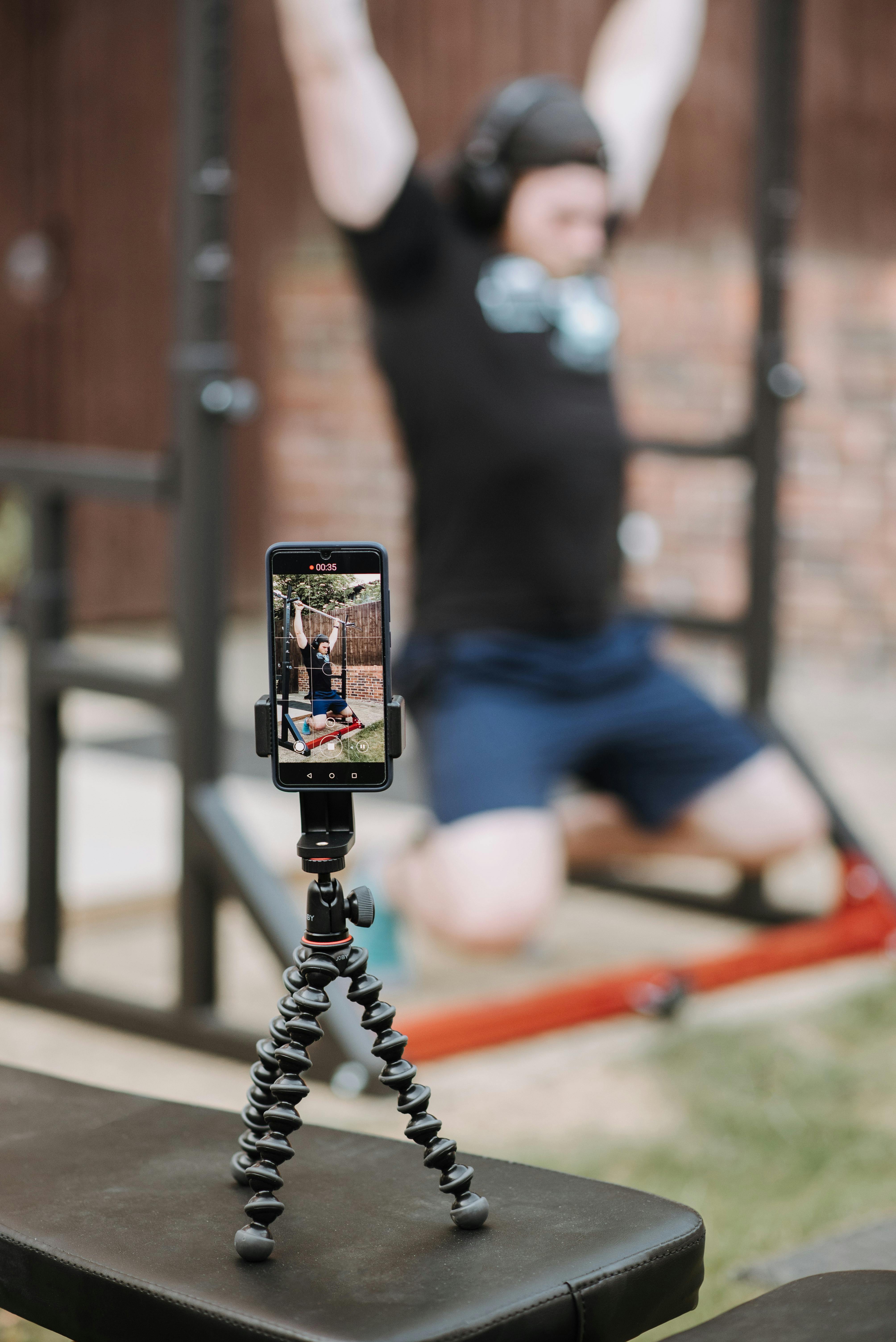
Social media has not only changed how we communicate, but it has also changed how we train and exercise. Hiring a personal trainer or getting a gym membership is no longer necessary. You can now open any social media platform, like YouTube, Instagram, and TikTok, to learn or develop new skills in the gym. The tools you need to transform your body are now more accessible than ever before. With each tap, you can find a new workout split, meal plan, or fitness goal to conquer. This new approach can be both good and bad. While it breaks down barriers for those anxious to get started in the fitness world, it can also promote inaccurate information and blur the lines between entertainment and coaching.
More Than Muscle
If “gymfluencers” are using their platforms responsibly, they can be a helpful outlet for people watching. The culture of these influencers can be very inspiring and provide a lot of support for their viewers. By offering free workouts and gym tips, it reduces the need for many beginners to pay for expensive programs they are unsure about. This, along with relatability, can reduce the anxiety many newcomers feel in the gym. Sharing progress and real, unfiltered stories can make it feel easier for everyone to try something new.
When influencers grow their platforms, they also form communities of individuals that are working to better themselves. This creates an environment full of positivity and support around the audience’s shared goals.
Behind the Highlight Reel
Like most content on social media, gymfluencers also have their downsides. Some individuals only showcase content that is highly edited and extremely unrealistic, only filming from their best angle with the best possible lighting. It’s important to note that comparing yourself through the screen will only undermine confidence, courage, and progress along the way.
Some only use their platform to grow, and not necessarily to help their viewers develop. It may be more convenient to promote a “quick fix” by a sponsored company than to actually demonstrate the hard work it takes to achieve a certain point. Not to mention, focusing on popular trends rather than the fundamental exercises disregards individual goals and slows progress.
Fitness vs. Fakes
There are both positives and negatives that fitness influencers bring to the table. At the end of the day, it is your choice to decide who you want to support and take advice from. Look for individuals who promote consistency and realistic habits, rather than viral trends and life hacks. Make sure their messages align with your morals, and do the proper amount of research to ensure you are not being led astray. This journey is your own, and it is important to subscribe to content that will propel you forward!