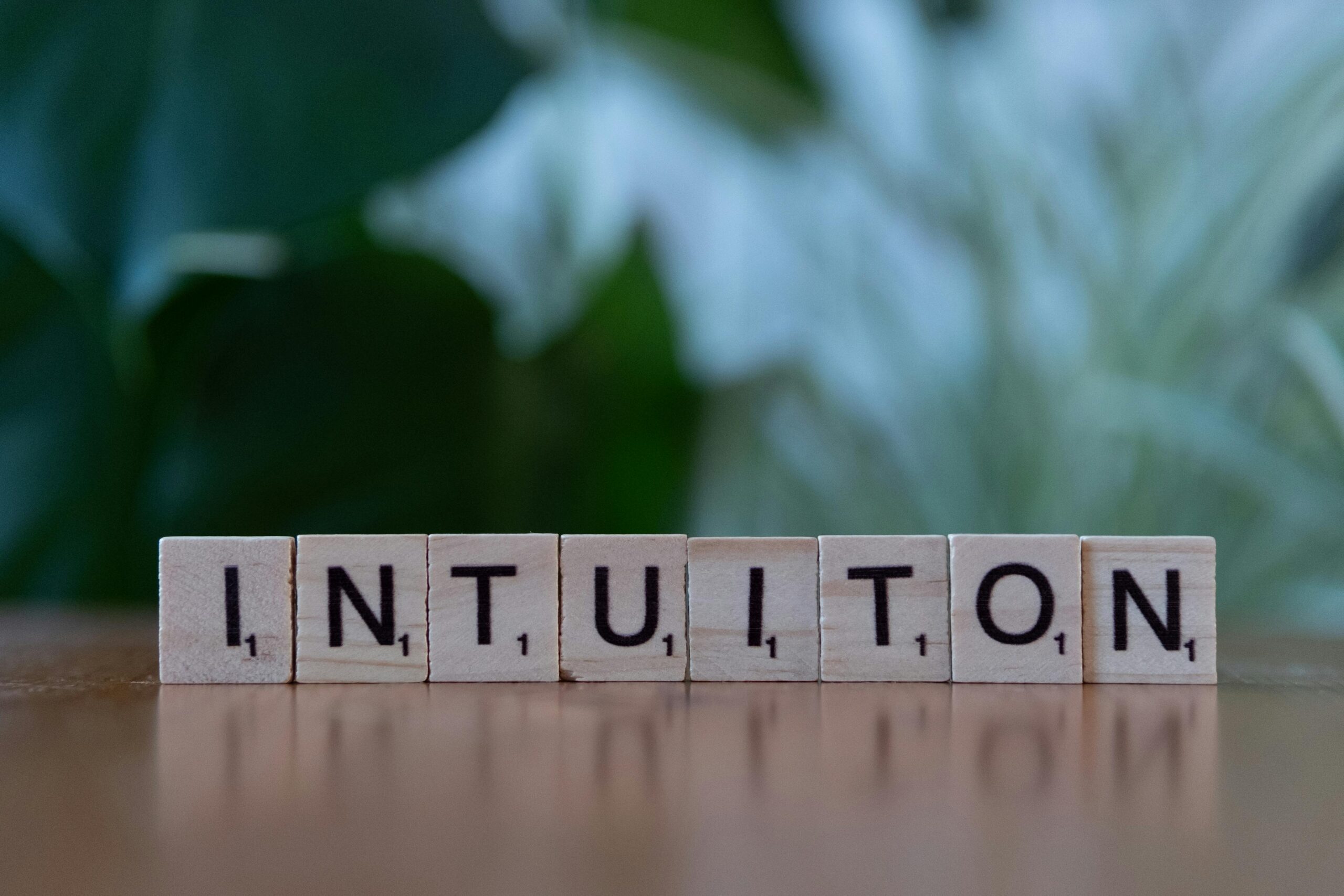
We all experience those moments when we just “know” something without being able to explain why. This phenomenon is human intuition, and it’s a core aspect of our adaptability and intelligence. The human ability to seek information and explore our environment is a powerful tool for learning about the world. But what exactly is intuition, and how does science explain it?
Understanding Human Intuition: Dual Processes and Expertise
A scientific understanding of human intuition emerges from the dual process theories of cognition. These theories propose two main types of thinking:
- Type 1 processes are fast, intuitive, automatic, unconscious, implicit, and effortless. They are context-dependent and may also incorporate background knowledge and pragmatic inferences.
- Type 2 processes are slower, reflective, controlled, conscious, explicit, and effortful. These processes are context-independent and are responsible for things like monitoring performance, allocating working memory, and hypothetical thinking.
A large insight into human intuition comes from the study of “expertise”. Expert intuition is widely recognized and understood. As people become experts in their fields, intuition often becomes their predominant way of thinking. This is because expertise allows for rapid pattern recognition and recognition-primed decision-making. While novice intuition may be more prone to failure, expert intuition develops through years of experience and is often very reliable.
The Debate
While academic literature describes intuition as spontaneous, many intuition practitioners claim they can practice intuition intentionally similar to how a musician can create a melody. This intentional aspect is currently described as “non-scientific”. It doesn’t go against existing scientific evidence but also has yet to be fully explored.
The sensing and sensemaking model of intuiting can bring some understanding of spontaneity and intentionality aspects. This model breaks down the intuitive process into two phases:
- Sensing: The initial reception of sensory signals which turn into sensations. Think visual, auditory, tactile, or even changes in one’s physical and emotional state. For practitioners, this is where intentionality comes in. They suggest that you can learn to notice and differentiate these subtle “notes” in your perception.
- Sensemaking: The process of finding the meaning of these sensations. This phase is where one’s domain expertise comes in. Experts are good at interpreting these inputs.
This model overall explains that while the meaningful sensations (intuition) might be spontaneous, the ability to pick up on cues (in the sensing phase) can be intentional.
Human intuition is an important cognitive ability. By grasping the science behind it, you can gain a better understanding of how your gut feelings arise and how you can better harness them.