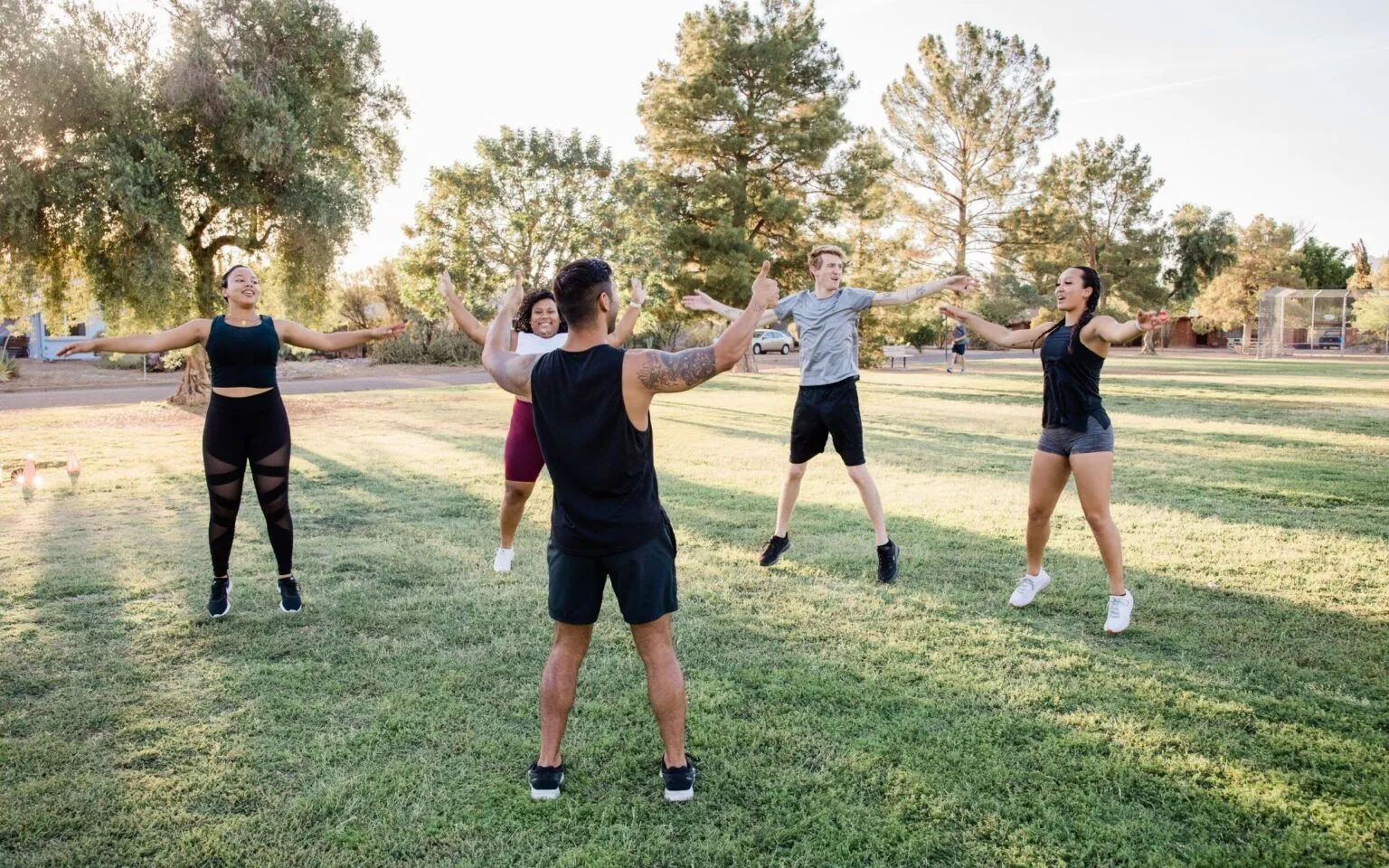
If working out alone hasn’t stuck, the problem might not be the motivation; you might be missing the people.
Most people view staying active as a solo journey with their own solo goal, routine, and willpower. But for many people, movement suddenly becomes easier and more sustainable when it’s shared. Group classes and recreational sports add a social element that can completely change your approach to fitness.
The first of many benefits of working out with others is built-in accountability. It can be so easy to make excuses to yourself as to why it is okay to skip the gym today, but when someone else is depending on you, those same excuses don’t fly. When a class starts at a specific time, or you have teammates waiting for you, there’s an extra layer of motivation. It’s no longer just an internal thing; you’re showing up for people, not just for a workout.
Fitness can often be intimidating, especially in a packed gym all by yourself. Group settings have an excellent way of making it much easier to find confidence to walk into the gym and find a place to start, or figure out what to do. In a class or team environment, there is already a structure. This takes the pressure off of you, especially since everyone is learning, sweating, and figuring it out all together.
Consistency is Key
That is a big part of implementing this social aspect into staying active. When movement becomes social, it stops feeling like a chore and becomes a part of your routine. It’s not just “workout time”, but time to laugh, connect, and recharge. This change in mindset is what makes it easier to stick with the long term.
Recreational leagues add an extra layer of fun by turning movement into play. Whether it’s pickleball, kickball, or a softball league, the focus shifts away from reps and calories burned to enjoyment. When exercise feels fun, it doesn’t feel forced.
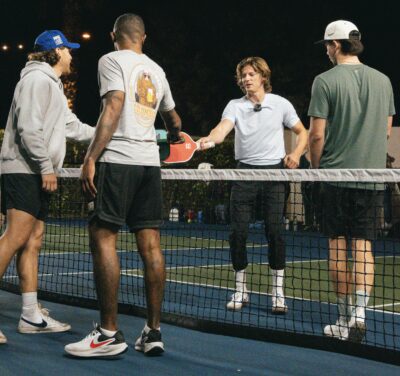
Image via Pexels
Health is More than Just Physical
There’s also a mental health boost that comes from social movement. Exercise releases stress, and social connection supports emotional well-being. Together, they create a powerful combination that can improve mood, confidence, and overall happiness.
Most importantly, feeling supported, connected, and part of a community makes staying active feel achievable and enjoyable. You don’t have to be the strongest, fastest, or most experienced person in the room; you just show up.
If staying active has felt hard or lonely, try changing who you move with instead of throwing in the towel. Sign up for a class, join a recreational league, invite a friend on a walk, or find a community that makes you feel welcome and fun. Fitness doesn’t have to be perfect or intense, but it can be shared. Find your people, keep moving, and let the community do the heavy lifting.