Let’s be honest for a second.
The fitness industry is not entirely built on health. It is built on how you feel about yourself. Everywhere you look, there is a new standard. A new body type. A new “must-have” product that promises to fix something about you.
Flatten your stomach.
Grow your glutes.
Shrink your waist.
Tone your arms.
It never ends. And that is not by accident. If you were completely confident in your body, your routine, and your habits, you would not feel the need to buy into new programs, supplements, or challenges constantly. The industry relies on you feeling like you are always behind.
Social Media
Social media has amplified this even more. You are constantly exposed to curated bodies, angles, and routines that are not always realistic or sustainable. Yet, they are marketed as if they are.
So, what happens?
You start to question yourself and to compare. You start to feel like what you are doing is not enough. And that is where the profit comes in. New workout programs drop every month. “Game-changing” supplements are pushed daily, and influencers promote products that promise faster, better, easier results.
But the truth is, most of these things are not necessary, because consistency will always outperform trends.
Don’t Be Fooled
You do not need a new workout every week, and you certainly do not need five different supplements unless a medical professional recommends them. Don’t completely overhaul your routine every time you feel insecure.
You need a plan you can actually stick to. You need patience and discipline. And most importantly, you need to stop letting insecurity drive your decisions.
This does not mean the entire fitness industry is bad. There are plenty of professionals who genuinely want to help people improve their health and quality of life. But it is important to be aware of the messaging you are consuming.
Ask yourself: Are you making changes to feel stronger, healthier, and more energized? Or are you making changes because you feel like you are not good enough as you are?
There is a big difference between these two approaches.
Progress
Real progress does not come from constantly chasing the next best thing. It comes from mastering the basics over time.
And when it comes to weight loss specifically, fitness influencers mislead people.
Instead of focusing on sustainable habits, the industry often pushes extremes and cuts out entire food groups, doing excessive cardio, or relying on quick-fix products that promise rapid results. These approaches might work temporarily, but they are rarely maintainable.
That is why so many people feel stuck in a cycle of losing weight, gaining it back, and starting over again.
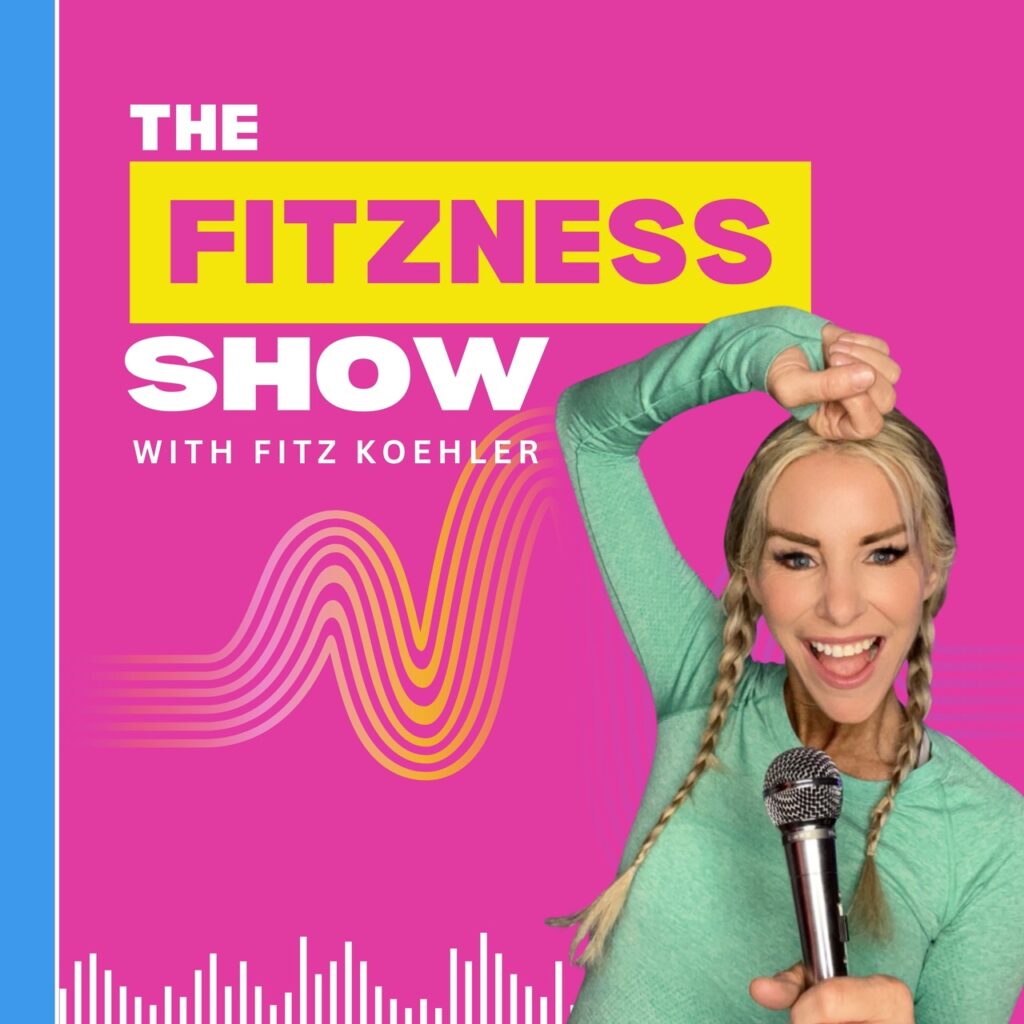
As Fitz often emphasizes, weight loss ultimately comes down to a simple formula: a consistent calorie deficit supported by balanced nutrition, movement, sleep, and sustainable habits.
Not extremes or quick fixes, and definitely not insecurity.
At the end of the day, your fitness journey should build you up, not tear you down. You are allowed to want to lose, gain, maintain weight, or change your body. That is completely valid. But how you go about it matters.