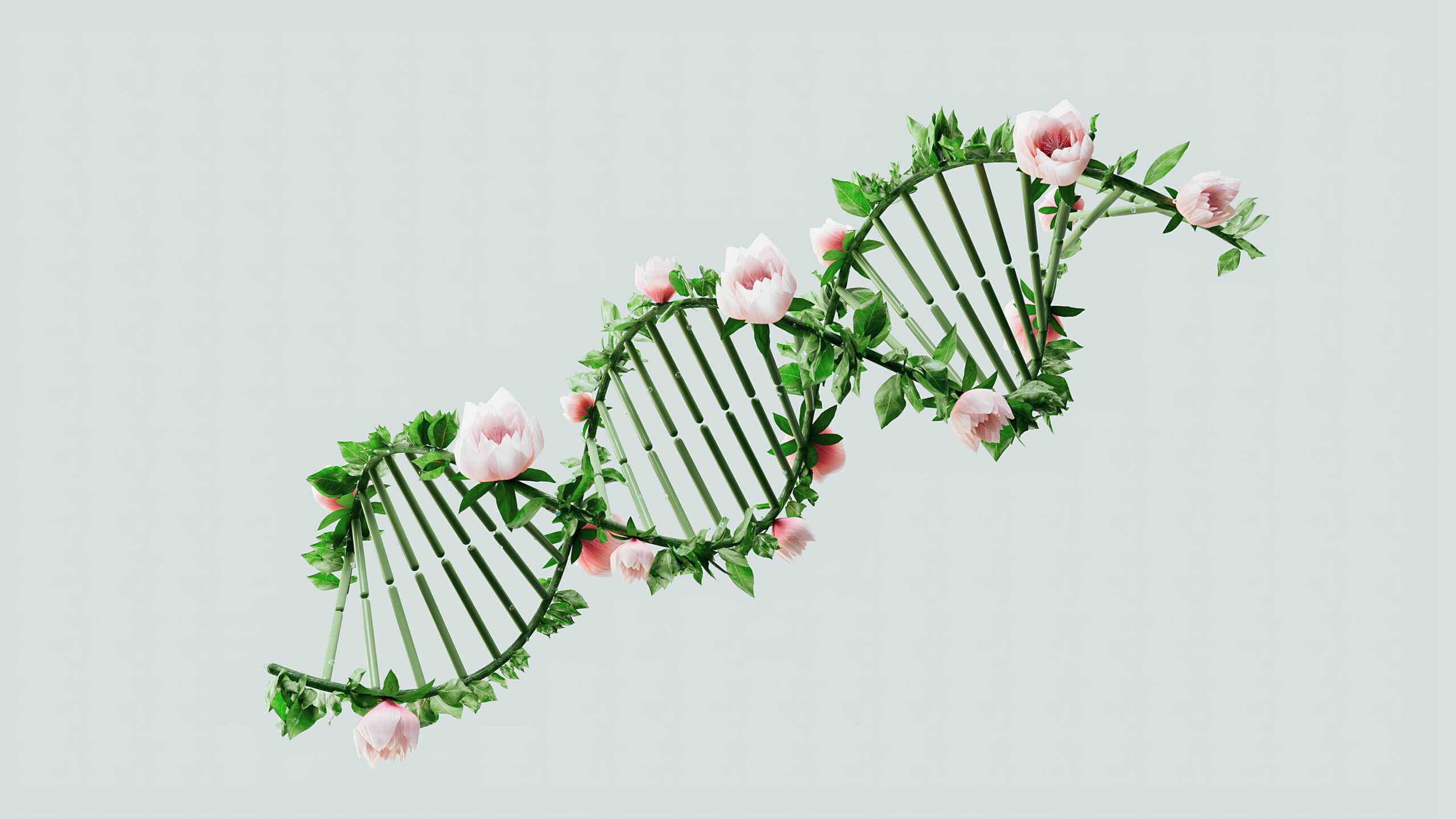
At some point, most of us have said it:
“It’s just my genetics.”
“My mom has a slow metabolism.”
“Everyone in my family is like this.”
Genetics has become the ultimate scapegoat. A convenient explanation. A protective shield. A reason to stop trying.
But here’s the truth:
Your parents did not doom your body.
Yes, genetics matter. They influence your height, bone structure, body type tendencies, even how you respond to certain foods or exercise styles. Some people naturally build muscle more easily. Some store fat more readily. Some are predisposed to higher cholesterol or insulin resistance.
But predisposition is not destiny.
Having a genetic risk does not mean you’re guaranteed an outcome. It means you may need to be more intentional.
And that’s a powerful difference.
The Myth of the “Bad Metabolism”
Many people blame their metabolism for weight gain or difficulty losing weight. But true metabolic disorders are rare. What’s more common?
-
Sedentary lifestyles
-
Chronic stress
-
Poor sleep
-
Ultra-processed diets
-
Muscle loss from under-eating or not strength training
Muscle mass alone significantly influences resting metabolic rate. And muscle is trainable at nearly any age.
You can’t change your parents.
But you can lift weights.
Your Environment Talks to Your Genes
This is where it gets interesting.
Epigenetics is the study of how behaviors and environment influence gene expression. You may carry certain genes, but whether they’re “turned on” can depend on:
-
Diet quality
-
Physical activity
-
Sleep
-
Stress levels
-
Toxin exposure
In other words, your daily habits literally communicate with your DNA.
Your genes are not a fixed script. They’re more like a dimmer switch.
Learned Habits Aren’t the Same as Genetics
Here’s something we don’t talk about enough:
Sometimes what we call “genetics” is actually generational habits.
If your family:
-
Didn’t prioritize exercise
-
Used food as comfort
-
Never learned about portion control
-
Avoided cooking at home
-
Normalized chronic stress
Those patterns can absolutely shape your body.
But that’s behavior — not biology.
And behavior can be changed.
Personal Responsibility Without Shame
This isn’t about blaming your parents. They did the best they could with what they knew.
But adulthood comes with responsibility.
You get to decide:
-
What goes on your plate
-
How often you move your body
-
Whether you build strength
-
How you manage stress
-
How you sleep
Blaming genetics feels safe.
Taking ownership feels uncomfortable.
But ownership is empowering.
Your Starting Point Is Not Your Finish Line
Some people start ahead genetically. Some start behind. That’s real.
But long-term health outcomes are driven far more by consistent lifestyle patterns than by genetic lottery.
Small, boring habits win:
-
Walking daily
-
Lifting consistently
-
Eating protein
-
Sleeping 7–9 hours
-
Managing stress
No dramatic overhaul required.
Just consistency.
The Bottom Line
Your parents gave you DNA.
They did not give you a fixed fate.
Your body is adaptable. Resilient. Responsive.
Genetics influence you.
They don’t imprison you.
And that’s good news.
Photo by Google DeepMind: https://www.pexels.com/photo/an-artist-s-illustration-of-artificial-intelligence-ai-this-image-depicts-how-ai-could-assist-in-genomic-studies-and-its-applications-it-was-created-by-artist-nidia-dias-as-part-of-the-18069423/