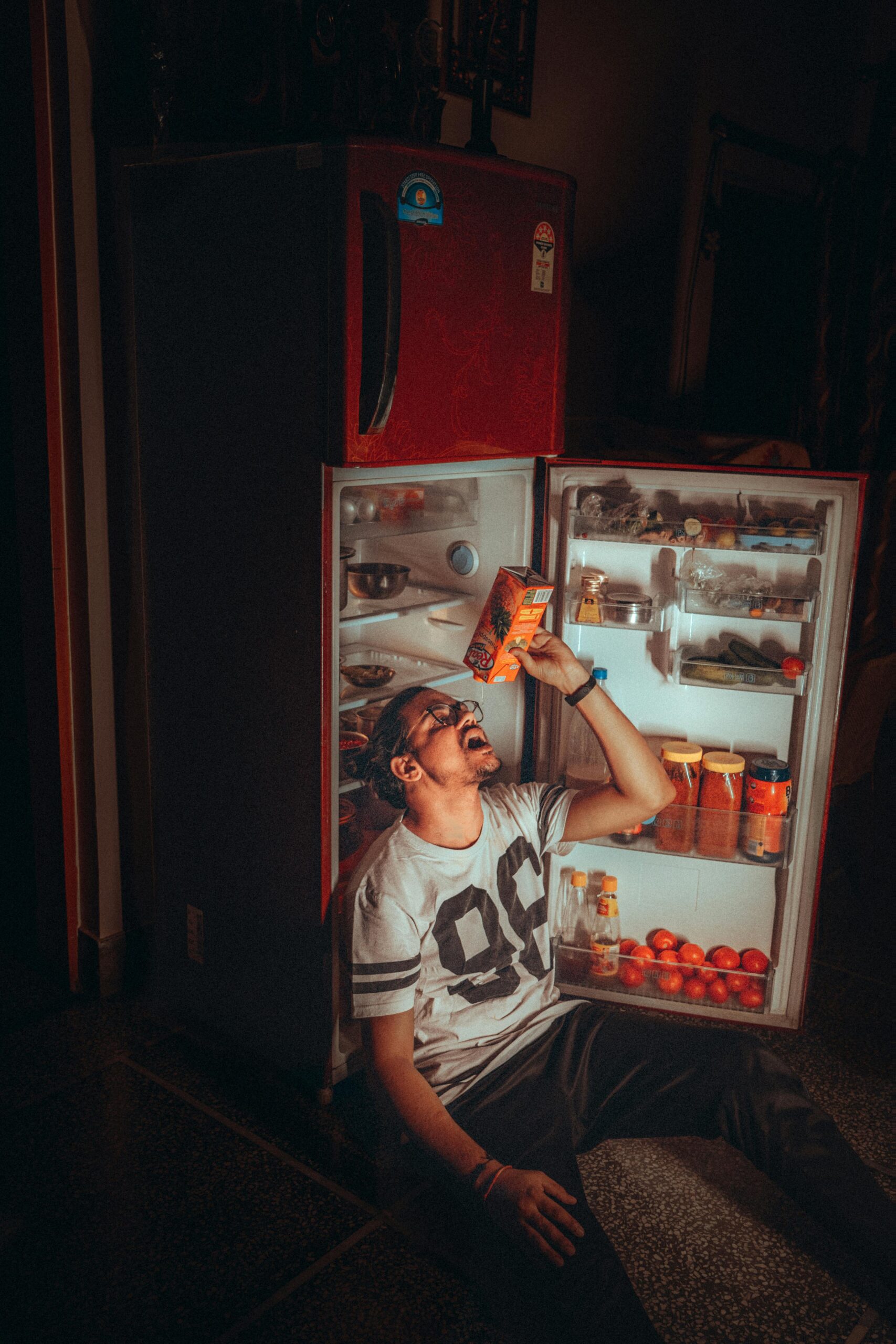
We’ve all been there. You open the fridge, stare for a minute, close it… and then open it five minutes later. You’re not starving, but something feels off. So are you actually hungry, or just emotionally spiraling?
The truth is, hunger isn’t always about food. Sometimes it’s about stress, boredom, exhaustion, or needing a break, and that’s normal.
Most food decisions don’t start with hunger; they start with a feeling. A long meeting, a weird text, a slow afternoon. Eating becomes the easiest thing to do when your brain wants relief, stimulation, or a break from thinking.
Actual hunger creeps in. You may feel drained, unfocused, or cranky. Emotional eating is louder; it feels urgent and specific, like something needs to happen now. That difference is a big factor. This is not to police yourself, but to understand what is driving the moment and that craving.
Food often works because it changes how the moment feels, how it fills that void. It creates comfort and gives your brain something familiar to focus on. That’s not a flaw, it’s a convenient coping tool.
The issue is not when the emotions show up. The issue is eating on autopilot, only to feel confused or frustrated afterward. Awareness gives you options.
Try slowing the moment down. Ask yourself a few neutral questions:
When did you last eat?
What feels off right now?
If food wasn’t available, what would you do instead?
Sometimes the answer is still food, and that’s completely normal. Other times, it’s movement; a pause, a distraction, or rest. Emotional spirals often have nothing to do with hunger and everything to do with overload.
There’s no benefit in guilt here. Feeling out of control around food usually comes from ignoring signals for too long, not from listening too closely. A healthy relationship with food is built by responding sooner, not restricting harder.
The next time you find yourself reaching for food without thinking, don’t label it good or bad; label it information. Use the moment to check what your body and brain are asking for, then choose the response that actually helps you feel better, not worse.