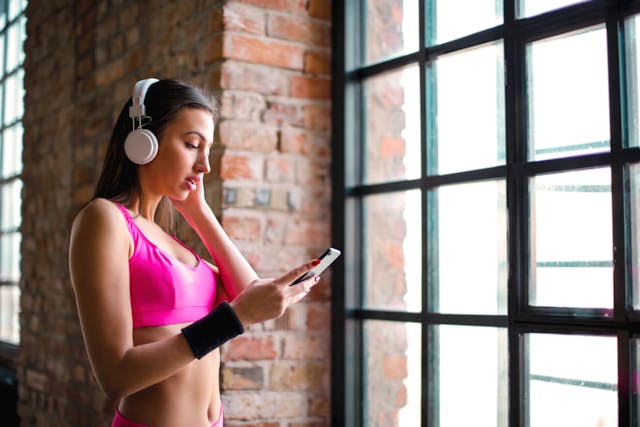
Scrolling through Instagram or TikTok, it’s impossible to miss the endless stream of workout clips promising fast results. From “10-minute abs” to “two-week transformations,” these videos rack up millions of views and inspire countless at-home sweat sessions. But the question remains: do these viral social media workouts actually deliver on their promises, or are they more hype than health?
Image via Pexels
The appeal is obvious. Short-form fitness content is free, accessible, and easy to follow. Many influencers use creative formats that make exercise fun and less intimidating. For beginners, this can be a motivating first step into regular physical activity. Consistency, no matter the format, is necessary for success, so even a short TikTok workout can help build a healthy habit.
However, relying solely on viral routines can be detrimental. Social media workouts are often designed for views rather than long-term effectiveness. They may lack the progressive structure needed to build strength, endurance, or flexibility over time. Additionally, some trends encourage unsafe movements or unrealistic body expectations. Without personalized guidance, there’s also a higher risk of injury.
The bottom line? Instagram and TikTok workouts can be a useful gateway into fitness, offering quick motivation and a sense of community. But sustainable results require more than what fits in a 60-second video. Pairing online routines with balanced nutrition and a well-rounded exercise plan is the smarter way to turn hype into health.