Varicose veins are bulging, enlarged veins that become visible under the skin, commonly in the legs. They occur when the valves in the veins become weak or damaged, causing blood to pool in one area. This disruption in normal blood flow leads to poor circulation, swelling, and aching. While varicose veins are common and can be a cosmetic concern, they can also cause significant discomfort. Thankfully, exercise can play a crucial role in managing and alleviating the symptoms!
Why Exercise Helps:
Regular physical activity can help improve circulation and reduce the discomfort caused by varicose veins. When you exercise, it strengthens the muscles in your legs, particularly the calves, which act as a “muscle pump” for blood flow. Every time your calves contract during movement, they help push blood back toward the heart, reducing pooling in the veins.
Exercise also aids in maintaining a healthy weight, which reduces pressure on the veins. Excess weight can increase strain on leg veins, exacerbating the symptoms of varicose veins. Additionally, physical activity can help reduce swelling in the legs, which is another contributing factor to increased pressure on the veins.
Recommended Exercises:
- Walking is a low-impact, easy-to-do exercise that helps strengthen the muscles in the legs, improve circulation, and reduce discomfort associated with varicose veins.
- Swimming: Swimming is excellent for varicose veins because the buoyancy of the water reduces pressure on the veins, while the movement increases circulation.
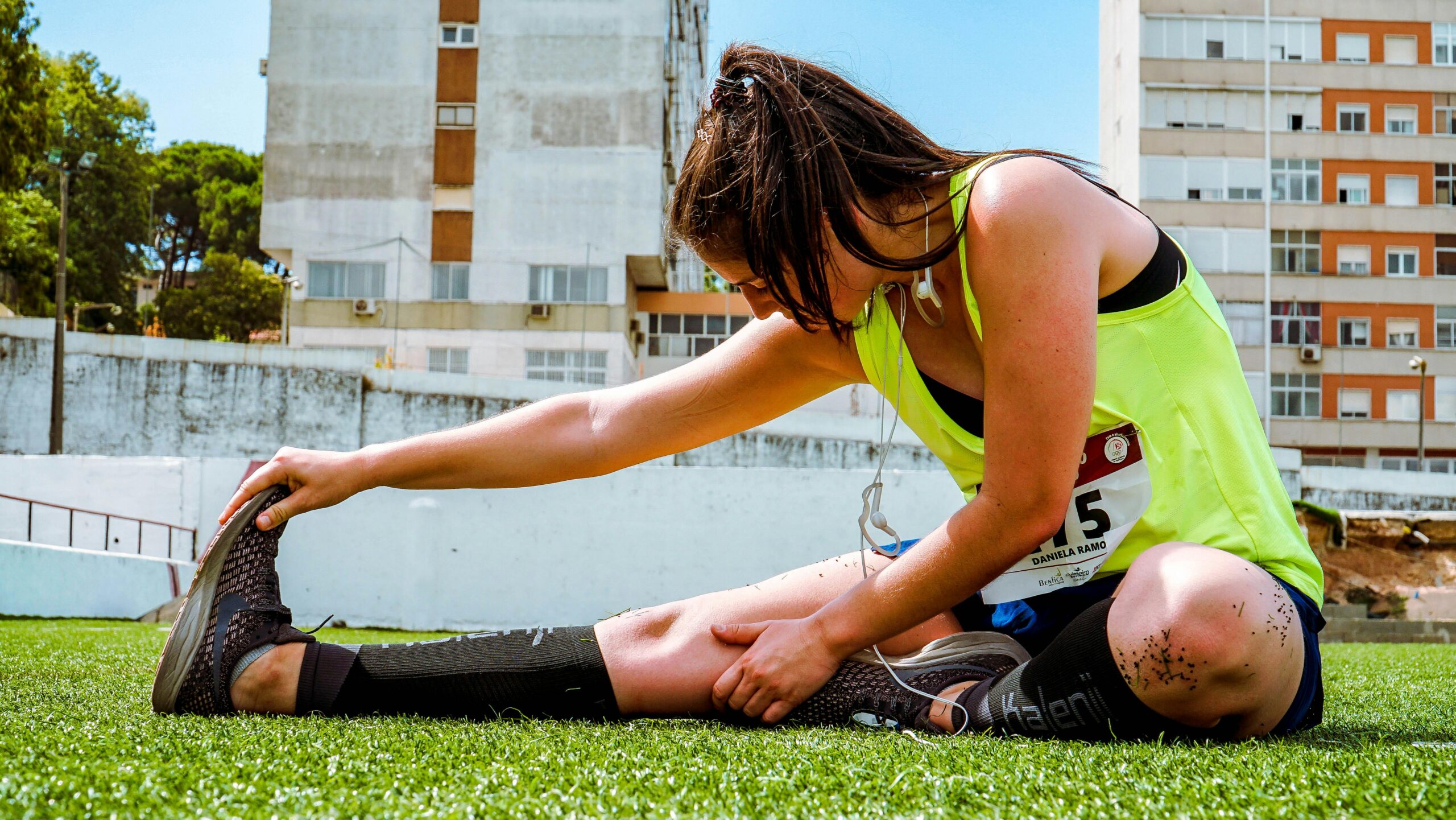
- Stretching: Stretching regularly throughout the day promotes blood flow and ensures veins are working effectively to circulate blood.
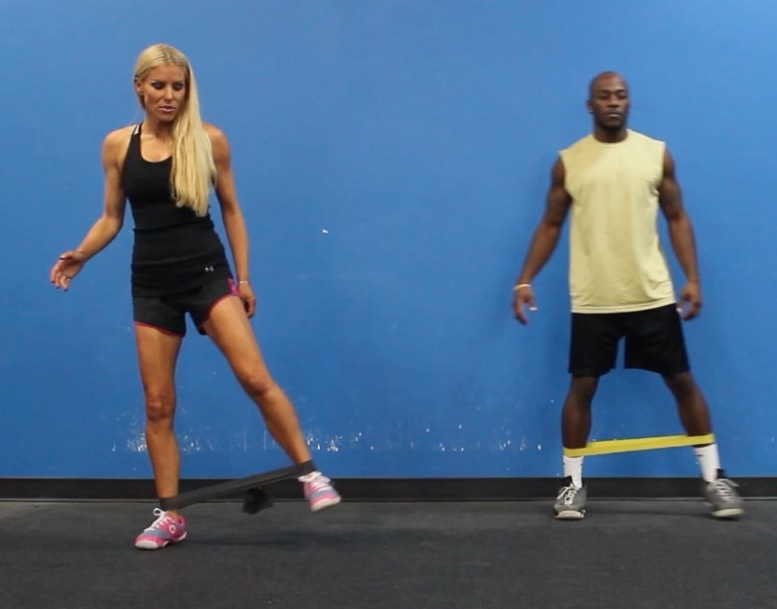
- Flexes & Calf Raises: Simple exercises like calf raises and leg flexes help keep the muscles in your legs contracting, encouraging better circulation and reducing the symptoms of varicose veins.
By incorporating these exercises into your routine, you can manage varicose veins more effectively and reduce discomfort.
Seeking Professional Advice
Regular exercise will relieve discomfort and improve circulation. It’s also important to recognize symptoms that worsen. You should consult a varicose vein specialist if visible veins, pain, or swelling continue despite specific lifestyle changes. Experts in this field can assess your condition and recommend specific treatments. They will also ensure that no underlying complications occur. If you are proactive and seek out early intervention, you will have a much more positive outcome in the future.